• 12. 1. 2026 • H. T. •
Most people know their national central bank. Far fewer know the Bank for International Settlements (BIS) — yet this institution quietly sits at the center of the global financial system.
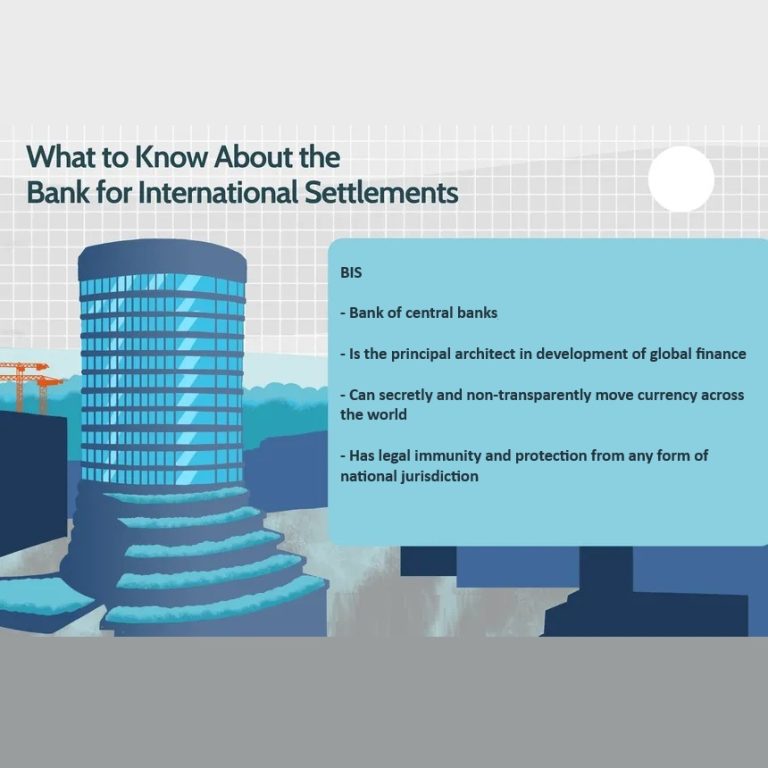
The BIS is often called the “bank for central banks.” It isn’t overseen by any elected government, it enjoys international legal immunities, and its meetings take place behind closed doors. Despite this low profile, the BIS hosts the committees that design global banking rules — standards that countries usually adopt without much public debate. Behind closed doors a small circle of central‑bank officials shape policies that affect interest rates, credit conditions, and financial stability worldwide, with minimal public or political oversight.
Massive global debt and prolonged monetary easing and rising billionaire wealth have amplified inequality and systemic vulnerabilities that increase the probability of future shocks. In a world of rising inequality, record debt, and recurring financial crises, institutions with this level of influence should be far more transparent and accountable.
The BIS is powerful, technocratic institution, beyond reproach and largely invisible to ordinary citizens — this raises important questions about interests and competence of global finance.
Maybe it’s time to look beyond opaque institutions and explore fairer, more transparent, productivity‑based systems like Heperum.